Know the hidden costs of inefficient job scheduling in construction
Job scheduling in construction isn’t just about making to-do lists or keeping a calendar. It’s the backbone of every successful project. When done right, it keeps everything moving smoothly. When it’s off, even by a little, the costs can quickly add up-sometimes in ways that aren’t obvious until it’s too late.
Let’s take a closer look at why job scheduling matters so much in construction, what can go wrong, and what you can do to avoid expensive mistakes.
What Is Job Scheduling in Construction?
Job scheduling in construction means planning out who does what, when, and with which resources. This includes organizing workers, equipment, materials, and even the timing of different tasks so that everything happens in the right order. Good scheduling helps projects finish on time and within budget.
The Hidden Costs of Poor Job Scheduling
Many people in construction know that delays are bad, but not everyone realizes just how much inefficient scheduling can cost. Here are some of the main ways it can hurt your business:
1. Wasted Labor
When schedules aren’t clear or realistic, workers end up waiting around or doing work that isn’t needed yet. This leads to:
- Crews standing idle
- Tasks being repeated
- Overtime pay for rushed jobs
- Lower morale
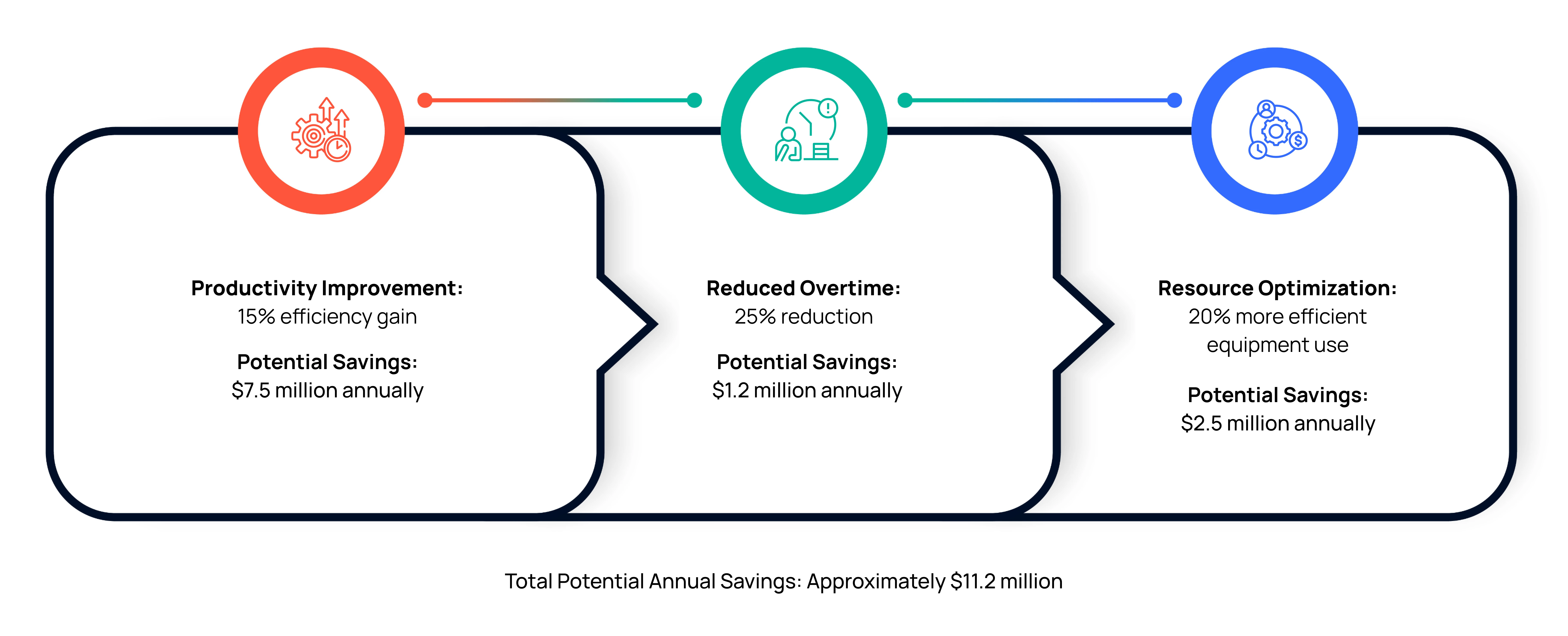
Studies show that poor scheduling can cut labor productivity by as much as 20–30%. For a medium or large company, that can mean losing millions of dollars every year.
2. Misused Equipment and Resources
If equipment isn’t scheduled properly, it might sit unused or be double-booked. This can cause:
- Paying for equipment that’s not being used
- Extra transport costs
- Overlapping rentals
- Crews waiting for tools or machines
These problems might seem small at first, but they add up fast.
3. Project Delays and Extra Costs
Bad scheduling often leads to missed deadlines. The consequences include:
- Penalty fees for late completion
- Higher overhead costs (like site management and insurance)
- Strained relationships with clients
- Less time and resources to bid for new projects
For some large projects, just one week of delay can cost hundreds of thousands of dollars.
How Modern Scheduling Tools Can Help
Old-fashioned methods like whiteboards or spreadsheets just can’t keep up with today’s construction projects. Modern scheduling software is designed to make the whole process easier and more accurate. Here’s how:
Real-Time Updates
You can see what’s happening on your project as it happens. If something changes, everyone knows right away.
Smarter Planning
Some tools use artificial intelligence to spot possible problems before they happen, like double-booked equipment or overlapping tasks.
Better Communication
Everyone-from the office to the field-can see the latest schedule and updates on their phone or tablet. This keeps everyone on the same page and reduces mistakes.
A Simple Example: The Cost of Inefficiency
Imagine a construction company that earns $50 million a year. If they lose just 10% of their productivity because of poor scheduling, that’s $5 million gone-not to mention the stress and frustration for everyone involved.
How to Improve Job Scheduling in Construction?
Here are some practical steps any construction company can take:
- Use Modern Scheduling Software: Look for tools that are easy to use and work on both computers and mobile devices.
- Train Your Team: Make sure everyone knows how to use the new system and understands why it matters.
- Keep an Eye on Performance: Regularly check how well your schedules are working and look for ways to improve.
- Connect Your Systems: Try to link your scheduling tool with other software you use, like accounting or project management.
- Communicate Clearly: Make it easy for everyone to share updates and changes, so surprises are kept to a minimum.
Frequently Asked Questions
Why is job scheduling so important in construction?
Because it helps make sure the right people and equipment are in the right place at the right time, which keeps projects running smoothly and saves money.
What’s the biggest risk of poor scheduling?
Delays. These can lead to missed deadlines, higher costs, and unhappy clients.
How can technology help with scheduling?
Modern tools make it easier to plan, track, and adjust schedules in real time, so problems can be fixed before they get expensive.
Conclusion
Job scheduling in construction isn’t just about keeping a project organized-it’s about protecting your bottom line. By using better tools and smarter planning, you can avoid costly mistakes, finish projects on time, and keep your clients happy.
Good scheduling is one of the best ways to stay competitive and profitable.
Ready to make job scheduling your company’s strength? Start exploring modern scheduling solutions and see the difference they can make on your next project.



